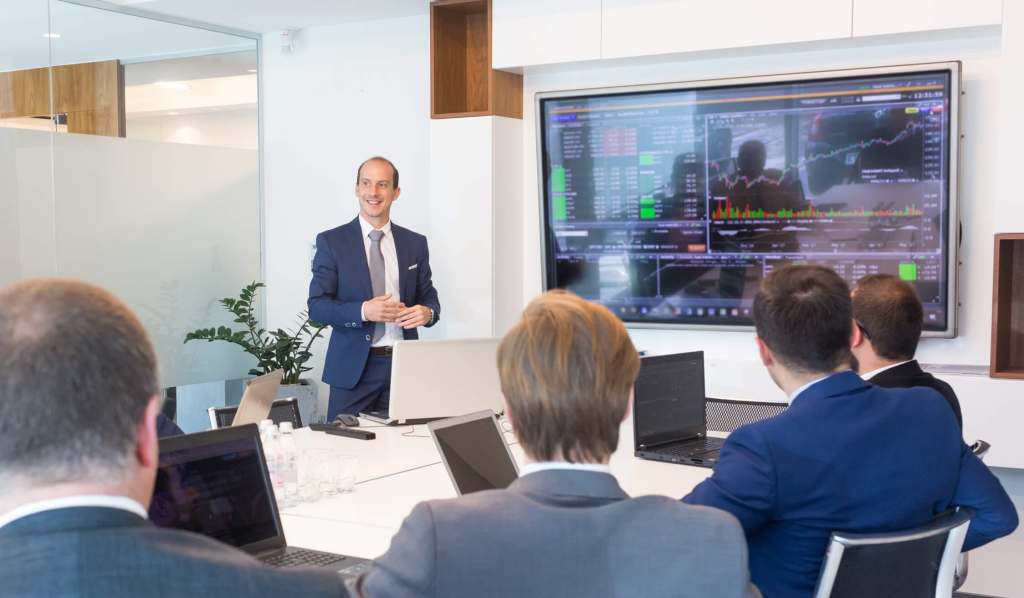
Budget conversations in AV projects are almost always uncomfortable on both sides. Clients come in with a number in mind that does not always match what the project actually requires. Integrators are sometimes reluctant to push back clearly. The result is scope mismatches, cut corners, and systems that disappoint – none of which were what anyone wanted at the start.
The Most Common Budgeting Mistake: Starting with Equipment Only
The most frequent mistake Atlanta businesses make is budgeting only for hardware and forgetting the full scope of what an AV project actually involves. The equipment – displays, speakers, cameras, processors – is often less than half the total project cost when you account for everything properly.
Installation labor, programming, cable and infrastructure materials, rack fabrication, commissioning, training, and documentation all carry real cost. A company that gets a quote for a specific display and camera and then builds a budget from that number alone will almost always end up short.
What a Realistic Budget Actually Includes
- Equipment and hardware – the displays, cameras, microphones, control systems, and processors
- Installation labor – technician time for cable pulls, mounting, termination, and rack work
- Programming – control system and DSP configuration, which can be a significant line item
- Infrastructure materials – conduit, cable, connectors, cable management, and rack hardware
- Commissioning – system testing and fine-tuning before handover
- Training – time with your team to make sure the system is used effectively
- Documentation – as-built drawings and equipment records
- Service agreement – ongoing support after installation
What Innoface Systems’ Approach Looks Like
Innoface Systems positions itself as a partner focused on right-sized, budget-conscious solutions; not on maximizing project value for its own sake. Whether delivering audio visual services for government agencies, corporate offices, or other professional environments, the company prioritizes practical outcomes and cost-effective implementation. Its track record with federal agencies and major corporate clients reflects a methodology built on realistic scoping and honest communication about what a project will actually cost.
The consultation process is structured to surface requirements before proposals are built, which means less rework and fewer surprises when the invoice arrives. That kind of transparency is what makes long-term relationships possible.
Underestimating the Cost of a Poorly Designed System
There is a version of budget thinking that goes: spend less on the system and save more money. That logic works until you factor in what a poorly spec’d or improperly installed system actually costs over time.
A conference room that produces bad audio on video calls costs your organization credibility with every remote participant. A system that requires IT involvement every time something goes wrong burns staff time that has real dollar value. A display that was not properly sized for the room means people in the back cannot read presentations clearly.
These are not abstract concerns. For AV installation Atlanta GA projects in particular, where the business environment includes major corporate clients and government facilities with specific performance expectations, a system that just barely works is a liability.
The Trap of Lowest-Bid Procurement
Competitive bidding has its place, but the lowest AV bid is almost never the best value. When a proposal comes in significantly below the others, something has been removed from the scope – and it is not always obvious what. Equipment might be downgraded. Programming hours might be cut. Support terms might be vague or absent.
Evaluating AV bids requires comparing scope, not just price. Two proposals that look similar on the surface can be very different when you examine what they include for programming, testing, training, and post-installation support.
Not Budgeting for the Long Term
AV systems need maintenance, and technology evolves. A budget that covers installation but nothing beyond it will lead to deferred maintenance, outdated firmware, and equipment that eventually fails at an inconvenient time.
- Annual service contract costs should be factored into total cost of ownership
- Component refresh cycles vary by product type – displays last longer than projector lamps
- Video conferencing platforms change requirements periodically, which can drive hardware updates
- Budget for at least one programming update in the first two years as usage patterns become clear
How to Have a Better Budget Conversation With Your Integrator
The most productive budget conversations happen when both sides are willing to be direct. Share your target number with your integrator early, even if it is a rough figure. A good integrator will tell you honestly whether the project as described can be delivered within that range or what would need to change to make it work.
- Share your budget range at the start, not at the end of the design process
- Ask for a line-item proposal that separates equipment, labor, programming, and support
- Ask what is not included in the proposal, not just what is
- Request a phased approach if the full scope exceeds your current budget
FAQ
Q: How much should a basic corporate conference room AV system cost in Atlanta?
Costs vary significantly based on room size, equipment tier, and complexity, but a professionally installed mid-range conference room system in Atlanta typically starts in the range of $15,000 to $30,000 all-in, including labor and programming. Larger or higher-spec rooms go well beyond that.
Q: Is it worth paying for a service contract after installation?
For rooms that get used frequently in client-facing or executive settings, a service contract is worth the cost. The responsiveness and proactive maintenance it provides protects the investment you made in installation.
Q: Can I phase an AV project to spread the cost over time?
Yes. A good integrator can design a system with phasing in mind, so the infrastructure and core components are installed first and additional capabilities are added in later phases without requiring rework.